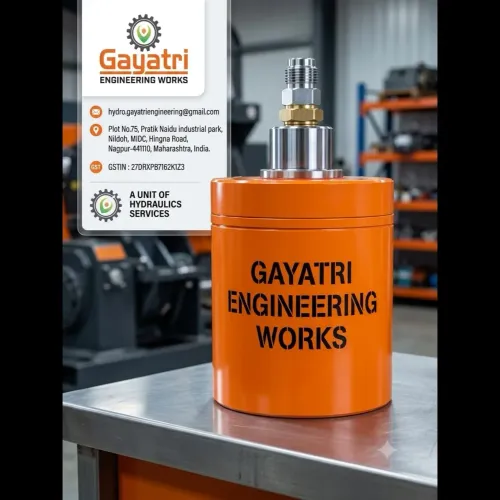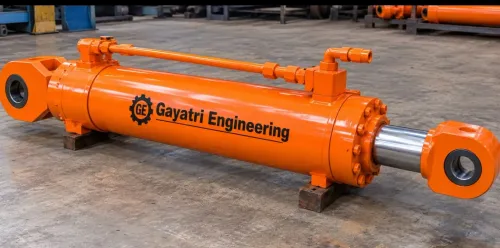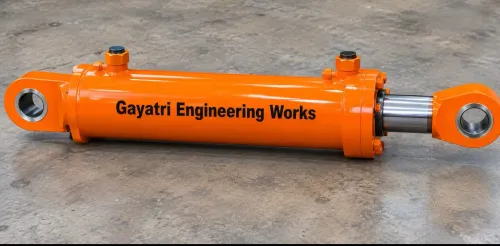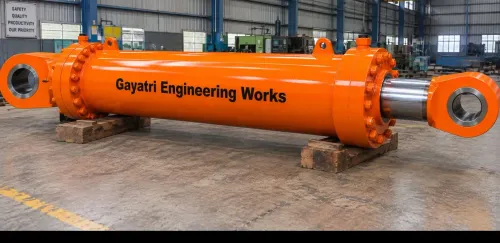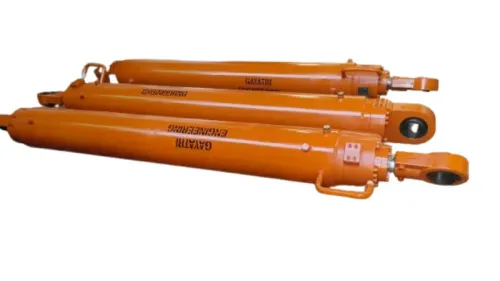
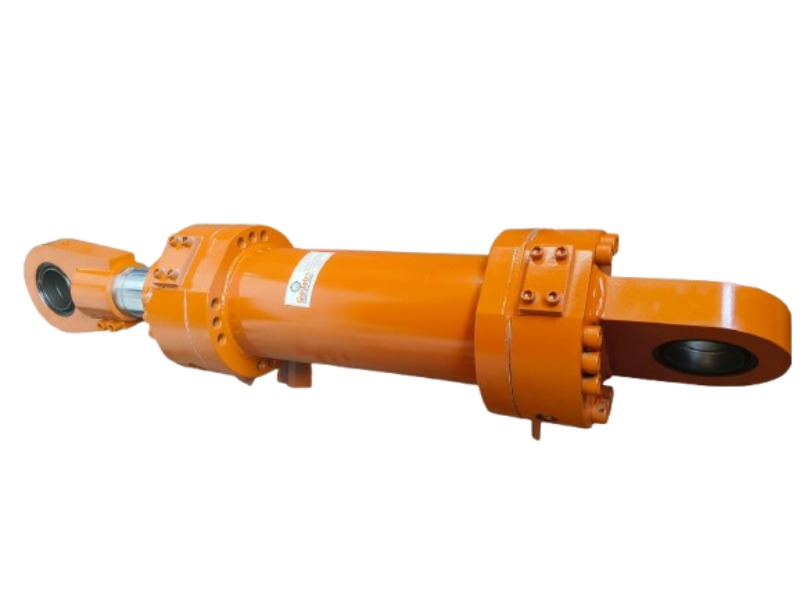
A hydraulic cylinder is a mechanical actuator that converts hydraulic energy into controlled linear motion. It is widely used in industrial machinery, construction equipment, agricultural machines, hydraulic presses, material-handling systems, and many other applications where high force and precise movement are required.
Hydraulic cylinders work by using pressurized hydraulic fluid to move a piston inside a cylinder barrel. The piston is connected to a rod that transfers the generated force to the machine or equipment.
What Is a Hydraulic Cylinder?
A hydraulic cylinder is a device used to produce linear force and movement using pressurized hydraulic oil. Unlike electric motors, which generally produce rotary motion, hydraulic cylinders provide direct linear movement.
The basic operating principle is simple: hydraulic fluid under pressure enters the cylinder through a port and pushes against the piston. This causes the piston rod to extend or retract depending on which side of the piston receives pressurized fluid.
Hydraulic cylinders are available in different sizes, designs, bore diameters, stroke lengths, and pressure ratings to suit specific machinery and industrial requirements.
How Does a Hydraulic Cylinder Work?
The working principle of a hydraulic cylinder is based on Pascal's law, which states that pressure applied to a confined fluid is transmitted throughout the fluid.
When hydraulic oil is supplied under pressure to one side of the piston:
1. Pressurized hydraulic fluid enters the cylinder.
2. The fluid applies pressure to the piston.
3. The piston moves inside the cylinder barrel.
4. The piston rod moves outward or inward.
5. The rod transfers linear force to the connected machine component.
6. Hydraulic fluid from the opposite chamber returns to the hydraulic system.
In a double-acting hydraulic cylinder, hydraulic pressure can be applied to either side of the piston, allowing controlled extension and retraction.
Main Components of a Hydraulic Cylinder
A hydraulic cylinder consists of several important components:
1. Cylinder Barrel
The cylinder barrel houses the piston and hydraulic fluid. It is manufactured from strong materials capable of withstanding high hydraulic pressure.
2. Piston
The piston divides the cylinder into two chambers. Hydraulic pressure acting on the piston generates the force required to move the piston rod.
3. Piston Rod
The piston rod transfers the force generated inside the cylinder to the external machine mechanism. The rod is commonly manufactured from high-strength steel and may have a corrosion-resistant surface treatment.
4. Seals
Hydraulic seals prevent oil leakage and stop contaminants from entering the cylinder. Proper seal selection is essential for reliable cylinder performance.
5. Cylinder Head and Gland
The cylinder head supports the piston rod and houses components such as rod seals, wipers, and guide elements.
6. Hydraulic Ports
Ports allow hydraulic fluid to enter and exit the cylinder chambers.
Keywords